
From Open Science Access to Open Science Distribution
الخطوط العريضة للقسم
-
Creating opportunities for access to knowledge is only part of the requirements for the knowledge to be used. Unfortunately, there are many barriers, as discussed in this paper below (give reference)
Over the past two decades, Open Science has made significant progress in ensuring open access to scientific knowledge (Scotti et al., 2025). Open publications, open research data, open educational resources, open-source software and other components of Open Science have made the results of scientific research much more accessible to researchers and society. These practices are supported by international guidelines, funders’ requirements, and the policies of universities and research organisations.
Open access to knowledge does not in itself guarantee that it will be found, understood, trusted, adapted to the local context or actually put to use. In many areas of Open Science, barriers remain relating to institutional organisation, infrastructure, governance, incentive systems, capacity building and support for professional communities. As a result, openness does not always translate into the widespread adoption of open practices and the achievement of knowledge equity.
The figure below offers a framework for the journey from the creation of knowledge (which we elsewhere discuss should also be more 'open') to the equitable use of the knowledge created. We see that access is only part of this journey, and there should be anew dimension 'Open Science Distribution' to complement 'Open Science Access'. 'Open Science Distribution' is defined as: 'the institutional, organisational, infrastructural and governance arrangements that create the conditions under which openly available knowledge can be effectively discovered, trusted, adopted and sustained in practice'. The aim is to remove barriers between open access and the practical use of knowledge.
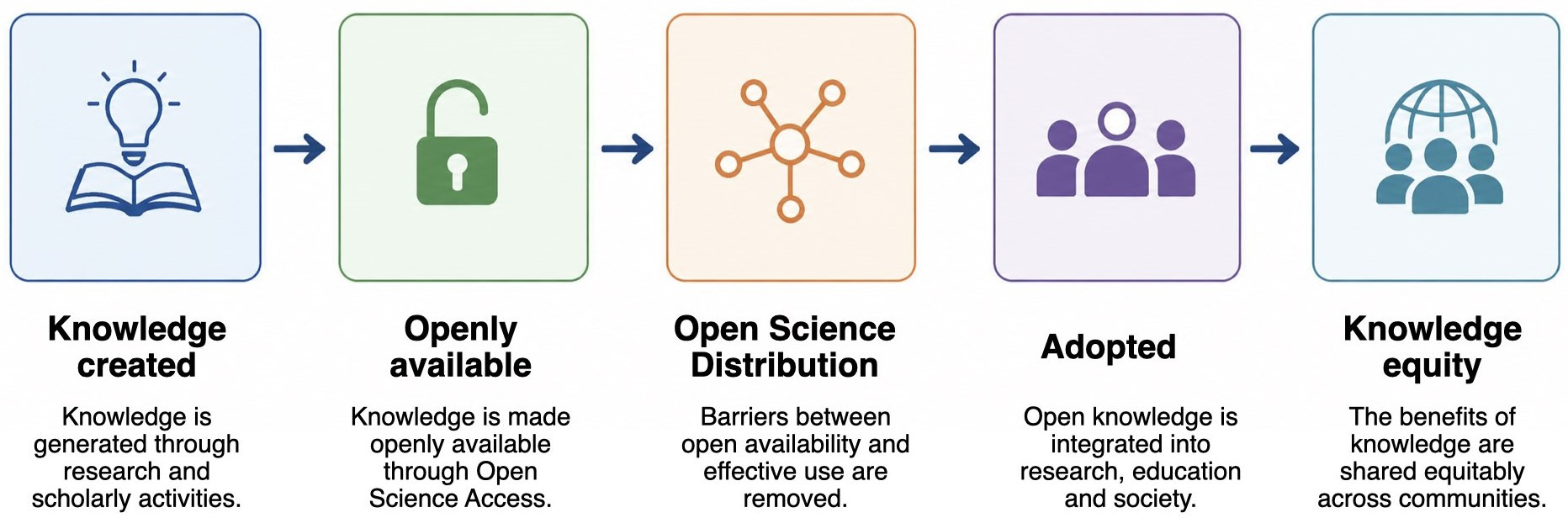
Figure 1. A conceptual framework of Open Science Distribution within the Open Science lifecycle.